What to Do When You Are Locked Out of Your House
It Happens to Almost Everyone
Standing on your own doorstep with the key still on the kitchen counter is one of those moments that feels both absurd and deeply frustrating. You might be wearing shoes you would not normally wear outside, or you are carrying a bag of groceries that is getting heavier by the minute. The dog is looking at you like you have lost your mind. Being locked out of house is not a rare event, and it does not discriminate by age, income, or neighborhood. In a sprawling city like Los Angeles, where people drive everywhere and often carry multiple sets of keys, a lockout can happen at the worst possible time, during a heatwave, after dark, or when you are already running late for an appointment.
The first thing to know is that you are not alone. Locksmiths across the city handle hundreds of lockout calls every month. The second thing to know is that most lockouts are fixable without damaging your door, your deadbolt, or your door jamb. The key is staying calm and making smart decisions about who you call and what you try on your own.
Assess the Situation Before You Act
Before you start looking for a credit card or a bump key, take a moment to assess your options. Are you locked out of house completely, or is there a window you can safely open? Do you have a keysafe mounted somewhere with a spare key inside? If you live in a rental, does your landlord have a copy of the key? These are quick checks that can save you time and money.
If you are in a home with a smart lock or a keyless entry system, the problem might be electronic rather than mechanical. Sometimes the batteries die, or the keypad stops responding. In that case, a locksmith can often use a backup method to get you inside without breaking anything. If you have a lever lock that is simply stuck, a little lubrication might do the trick. But if the deadbolt is fully thrown and you have no way to reach it from the outside, you are looking at a professional response.
Why You Should Not Try to Pick the Lock Yourself
The internet is full of videos showing someone opening a padlock with a paperclip or a lock pick set bought online. Those videos make it look easy because the person holding the tool has practiced for hours, and the lock they are using is often a cheap model that offers little resistance. Real locks, especially deadbolts and magnetic locks on residential doors, are designed to resist casual picking. Attempting to pick them without proper training can damage the lock mechanism, break a lock pick inside the cylinder, or leave the door impossible to open without a drill bit and a replacement lock.
There is also the question of legality. Carrying lock picks without a license is illegal in many states, including California. A locksmith carries them as part of their professional trade, and they have the training to use a locksmith tool correctly. If you try to pick your own lock and cause damage, you could end up paying more for repairs than you would have paid for a simple service call.
What a Professional Locksmith Will Do
A good locksmith arrives with a kit that includes several methods for opening a locked door. They might use a bump key for a basic pin tumbler lock, or they might use a specialized tool that manipulates the lock from the outside without drilling. If the lock is a high-security model or a transponder key system, they may need to bypass the electronic components or use a relay to reset the system. In cases where the door jamb is warped or the deadbolt is misaligned, they might need to use a wedge and a long reach tool to manipulate the latch from inside the gap.
Most residential lockouts can be resolved in under thirty minutes. The locksmith will verify your identity and proof of ownership before they start work. That is a standard practice that protects both you and them. Once you are inside, they can also advise you on whether your current lock is secure or if it is time to upgrade to a smart lock or a keyless entry system.
Preventing Future Lockouts
After you have been locked out of house once, you start thinking about prevention. There are several practical steps you can take that do not require a major renovation or a big budget.
- Install a keysafe. A wall-mounted keysafe with a combination allows you to store a spare key outside. Make sure it is placed in a discreet but accessible spot, not right next to the front door where someone could easily find it.
- Give a spare key to a neighbor. If you have a trusted neighbor or a friend who lives nearby, leave a spare key with them. That way you can call them instead of a locksmith if you get locked out during the day.
- Switch to a smart lock. Many smart locks allow you to enter via a keypad or a smartphone app. Some models include a backup key override, so you still have a mechanical option if the electronics fail.
- Check your keys before you leave. It sounds obvious, but most lockouts happen because people are distracted. Make it a habit to touch your keys before you close the door.
What About Car Lockouts?
While this article focuses on being locked out of house, the same principle applies to your vehicle. Car lockout calls are extremely common in Los Angeles, especially in parking lots and garages. Modern car keys are often transponder keys that communicate with the vehicle's security system. If you lose that key or lock it inside the car, a locksmith can use specialized tools to open the door without damaging the window or the lock cylinder. Some locksmiths carry a slim jim or an air wedge, but for newer cars they may need to use a relay device that mimics the signal from your key fob. It is always worth checking whether your roadside assistance plan covers lockouts before you call.
Understanding Your Lock Options
Not all locks are created equal. If you are considering an upgrade after a lockout, it helps to know what is available. A standard deadbolt is strong and reliable, but it requires a key from both sides. A lever lock is common on interior doors but less secure on exterior doors. A magnetic lock is often used on commercial doors and can be integrated with an access control system. A padlock is useful for gates and sheds but is not a primary door lock. A safe, whether it is a wall safe or a floor safe, should always have a backup key or combination stored somewhere secure.
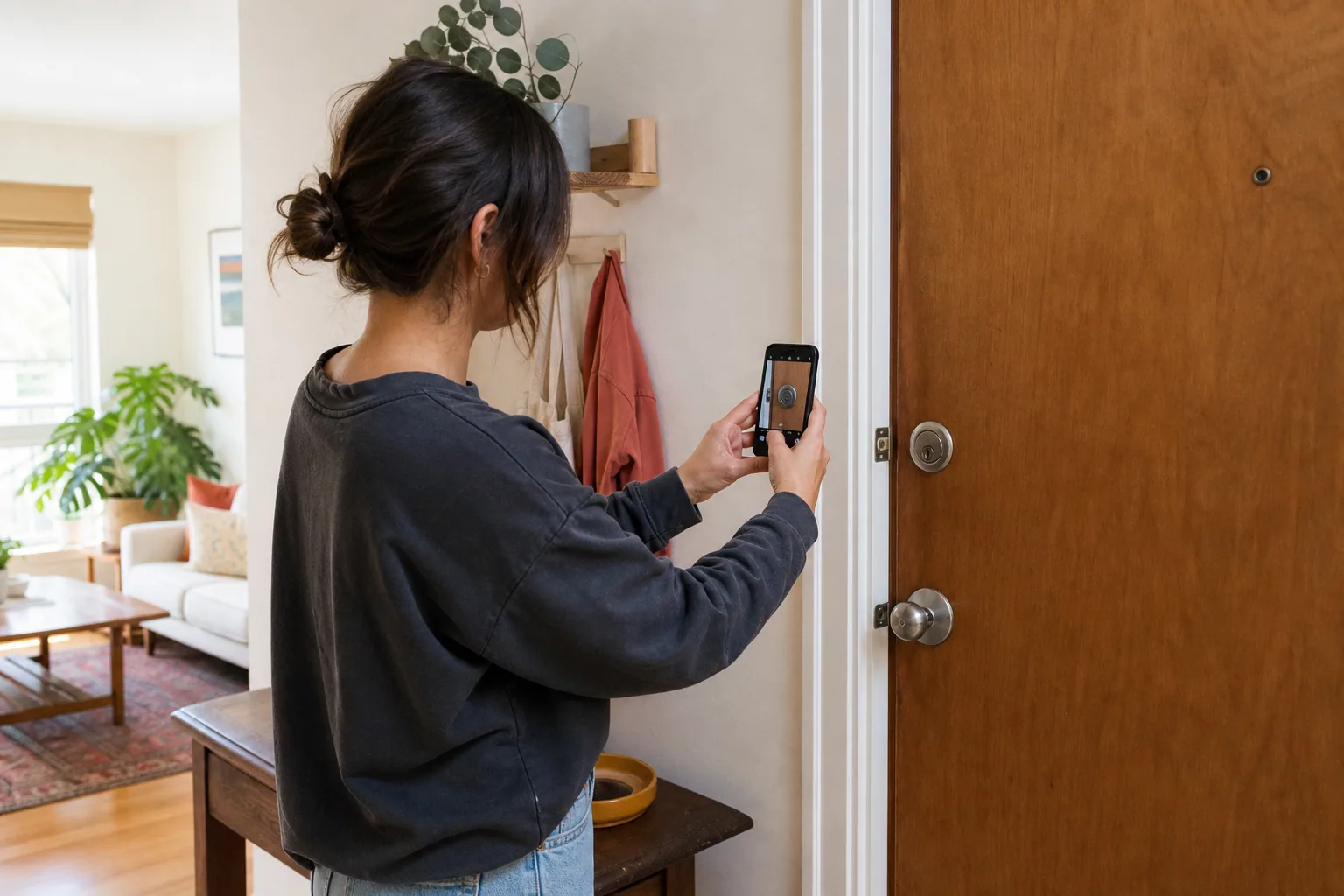
If you are renting, talk to your landlord before changing any locks. Many leases require that the landlord holds a copy of the key. If you install a smart lock, make sure it includes a physical key override so that a locksmith can still open it in an emergency without destroying the unit.
Staying Calm and Safe
Being locked out of house can feel like a small crisis, but it is rarely an emergency. Take a deep breath and call a reputable locksmith. Avoid the temptation to break a window or force the door open. A broken window costs more to replace than a locksmith service call, and a damaged door jamb can lead to security issues down the road. If it is late at night or you are in an unfamiliar area, stay in a well-lit place while you wait for help. Lock your car doors if you are sitting inside. Your safety matters more than getting back in quickly.
Once you are back inside, take a moment to appreciate the simple act of turning a key in a lock. It is a small thing, but it represents security and control over your own space. A lockout is a reminder that even the most ordinary routines can go sideways, and that is okay. You handled it, and now you know what to do next time.